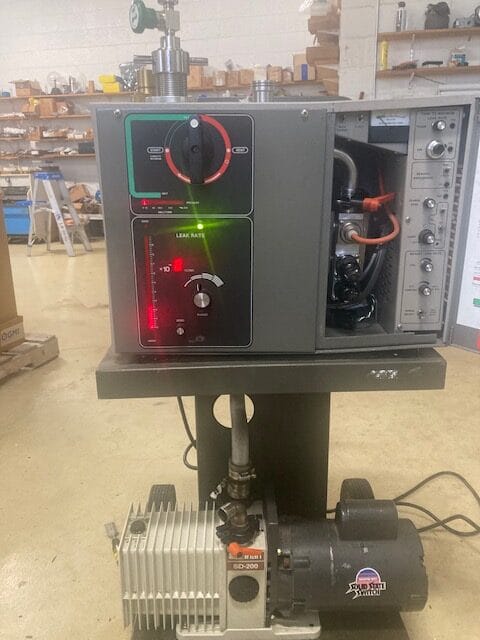
I’ve come to discover that we have a major helium shortage. Helium is used in semiconductor manufacture, in MRIs, chemical chromatography, and low temperature refrigeration. I need it for leak checking, something we just started doing, a quality assurance test for our products and now a service. I’m not hit hard by the shortage, but some other industries are.
For gas chromatography, helium can be replaced by hydrogen, as discussed here. I was recently invited to a seminar on it. Hydrogen gives sharper peaks than helium, and slightly quicker residence times, but it has to be very pure. As it happens, We make hydrogen purifiers at REB Research, it’s our main product. These purifiers allow you to do chromatography, or brazing with low-cost, bottled hydrogen, and even with electrolysis hydrogen. The purifier is a one-time purchase, and then you can use low cost hydrogen. You will want to vent the output of the chromatograph; you use very little for chromatography, or brazing, ~50 cc/min typically, but without some venting, it can build up eventually.
Some testers have begun using natural gas for leak checking, I notice. It’s not a sensitive, and you have to make sure you’re vented so there isn’t a flame. A safer alternative is forming gas: 5% hydrogen in nitrogen. The leak sensitivity is low, well below that with helium, but above smoke, or smelly compounds.
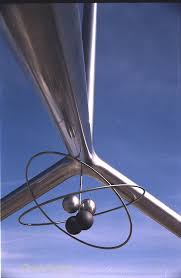
A major cause of the helium draught is Biden’s sale, with congressional approval, June 24, 2024 of the Federal Helium Reserve. This was a massive underground stockpile of helium, 32 billion cubic feet, that filled a set of caverns that span three states. We’d managed the stockpile for years, with a monument too, see right, but Biden sold the entire reserve including 425 miles of piping, purifiers, and caverns to Messer LLC, a German company owned in China. See an NBC article about the sale, here. The price was $460 million, less than 1¢ per cubic foot of He, with the pipes, storage area, and purification facility thrown in for free. Messer LLC quickly sold off the helium to recoup their purchase, and now it’s gone.
The sale of the reserve would not have been so bad, but in March, the Iranian Revolutionary guard bombed Qatar’s Ras Laffan natural gas and helium plant, the world’s largest helium plant, doubling the spot price of helium, see. AP article here. Why does Iran, a Shia-Islamic republic, bomb plants in Qatar, another Shia Islamic republic? it’s a form of economic war. Russia is another major gas and helium producer, and I expect Ukraine will bomb Russia’s plants too. If you use helium for chromatography, you might want to switch to hydrogen, and invest in a purifier from REB Research.
Robert Buxbaum, July 31, 2026