Canada is poor relative to the US as I discussed in a previous post. Though they have lots of available land, home prices are very high, much higher than in the US because of regulations and fees. Similarly, it is hard to start a business in Canada, and salaries are lower. Again the major problems appear to be regulations and taxes. The Western Provences, Alberta, British Columbia, and Saskatchewan complain regularly that their interests are being ignored. So, earlier this year, Alberta’s legislature approved a referendum for separation from Canada. Independence! In part the reason is that Albertans find they are financing the rest of Canada. Independence is something that Quebec attempted Canada some 30 years ago. There the “exit” vote lost by a mere 0.6%, and the argument to stay was mostly economic: Quebec needed Canada’s money. Alberta does not. It funds Quebec and every other Provence of Canada.
Trump praised Alberta’s decision to Canada’s dismay. Some Albertans want to want to join the US, a fulfillment of James Knox Polk’s vision. It may not be legal, though. Alberta judge, Shaina Leonard declared Alberta separation unconstitutional as “secession from Canada will have an impact” on native groups. Why this is different from Quebec, I don’t know. The Alberta legislature is now preparing for a referendum on whether Alberta should “commence the legal process … to hold a binding provincial referendum”. This is a referendum on whether to have a referendum.
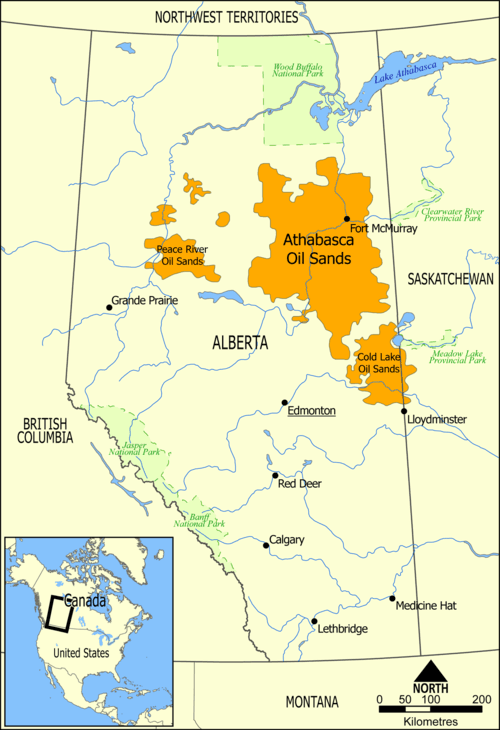
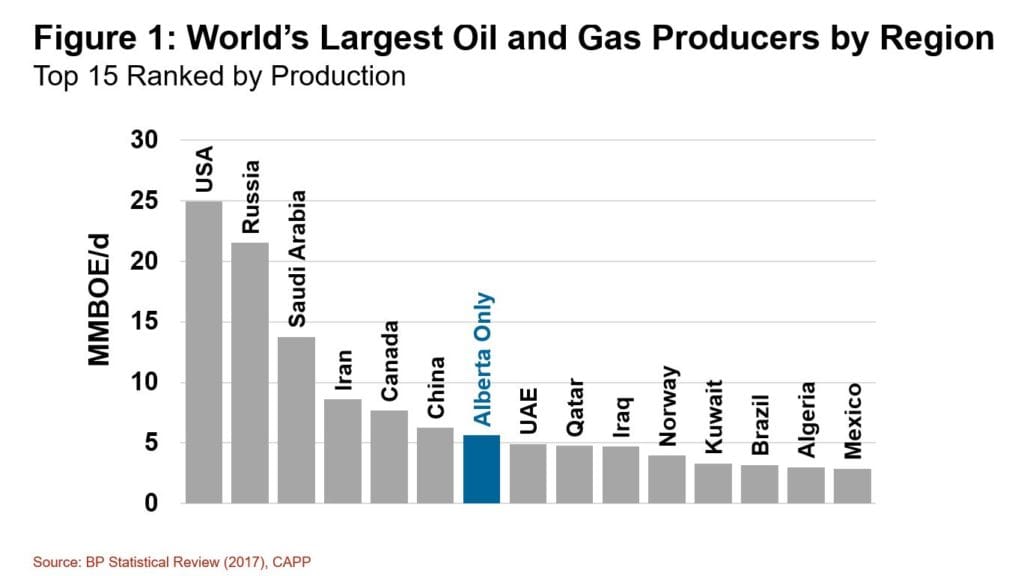
Currently Alberta is the only Provence that puts in more to the federal government than it takes out, and the disparity is huge. The Provence of Alberta has more oil than most oil countries, more that Iraq, Kuwait, or Norway, for example. It currently produces ~4.1 million barrels of oil per day. Valued at the current world rate of $100/bbl, that’s about $150 billion per year. If you divide by 5 million Albertans, the oil revenue alone is ~$30,000 per man woman or child, or $100,000 per voter. To this you can add bountiful natural gas, other minerals, and a strong industry, and you see a lot of info e that federal Canada “redistributes” east. Because of Canada’s parliamentary system Alberta has virtually no rights. Each vote is counted equally, and almost every one in Canada believes Albertans should not keep their bonanza. The central Canadian government provides programs, it’s true, healthcare with long waits and medical-assisted suicide. They also policed face masks for truckers, taking away the truckers savings and trucks if Canada found the mandates were being ignored.
Canada’s liberal politicians blast Albertans for being racist and stingy. They spend widely and run a deficit, about 15% of tax income despite the money taken from stingy Alberta. And despite this spending, managed to put Canada into recession, the only G7 country in recession, currently. Canadians are poorer than US citizens, with lower wages, and higher home prices, and Canada looking to China as an ally. I would suggest, instead, fewer regulations and less spending as Albertans want. If Alberta leaves, the rest of Canada will be bankrupt.
Current odds are against Albertans’ separation from Canada, but Quebec almost left, and the economic argument for leaving was non existent. Quebec was taking money from the rest of Canada when the Quebec separation vote came 30 years ago, and even so non-secession won by a mere 0.6%. Economically Alberta is more than self sufficient, and culturally Alberta is so like the US that it could join us easily, or relatively so. A vote for separation, if it were allowed to take place, could easily result in separation.
Robert Buxbaum, July 23, 2026