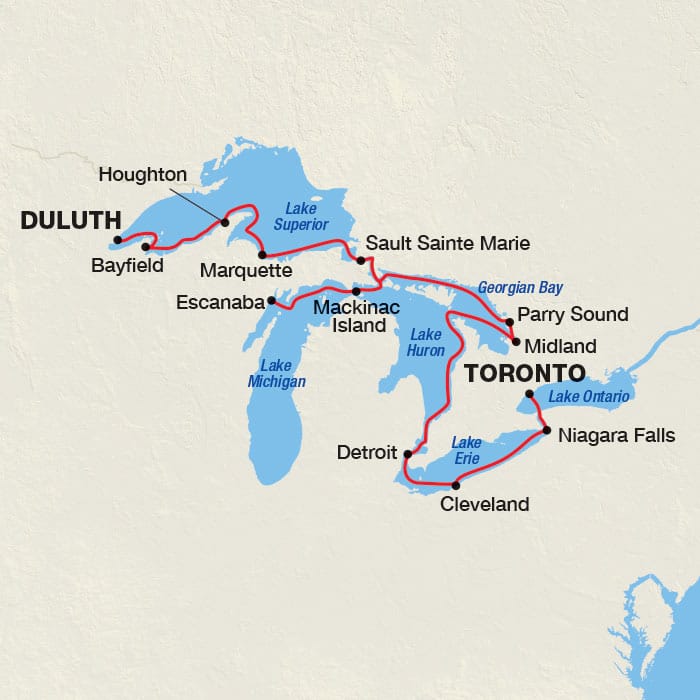
The Great Lakes system presents a growing summer cruise opportunity, relatively untraveled, but so far relatively expensive. There’s great scenery, including Niagara Falls, Mackinac, Painted Rocks, Chicago, and the Soo Locks: interesting sites, and the options are growing. As a cheaper alternative, as interesting, IMHO, is the lower Saint Lawrence seaway, including Quebec City, Montreal, Portland and Prince Edward Island, leaving from Boston, NYC, or Philadelphia.
The 2026 Great Lakes season includes seven cruise lanes and 10 largish ships and 7 cruise lines, up from six lines and eight ships in 2025. Major lines include Viking, Pearl Seas, Ponant, and American Cruise Lines who provide over 800 port visits in 2026, up from 700 in 2025. The largest of the Great Lakes ships are smaller than those for Alaska and the Caribbean cruises, but more luxurious. On the St Lawrence, the ships are bigger, the prices lower, and you get more or less what you’d expect on an Alaska cruise, with an open bar, typically.
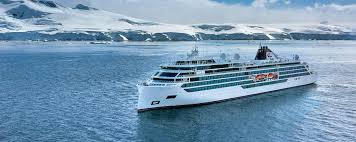
The cost differences are more than I would expect, but coming down, I expect. Currently, a nine-day Great Lakes cruise from a Viking Oceanis cruise from Cleveland costs a minimum of $8,675 per person. The 14-day version in the map above costs $14,270+. Details: https://l.cleveland.com/g2f86w. By comparison, a Boston to Quebec City cruise costs about $1200 per person, similar to a one week European or Alaska tour, on average.
I put the blame for the high cost of Great Lakes cruising on the size limits of the locks on the St Lawrence canal and on the Niagara Falls, Welland Canal: 740 feet (225.5 m) in length, 78 feet (23.8 m) in width (beam), and 26.5 feet (8.08 m) of depth (draft). The largest cruise ship now operating on the Great Lakes, the Viking Oceanis, show above measures 665 feet (205 meters) length, by 77 feet (23.5 meters) width, by 19 feet, 8″ draft, barely smaller than the canal. It boasts a capacity for 378 guests and 256 crew members. By contrast, the Norwegian Jewel, a popular ship for the New York and Boston to Quebec City route holds 2,870 passenger and a crew of about 1,069. This explains some of the price difference but not all. The rest, perhaps is competition. A standard European cruise ship can be rerouted to the St. Lawrence, but not to the Great Lakes.
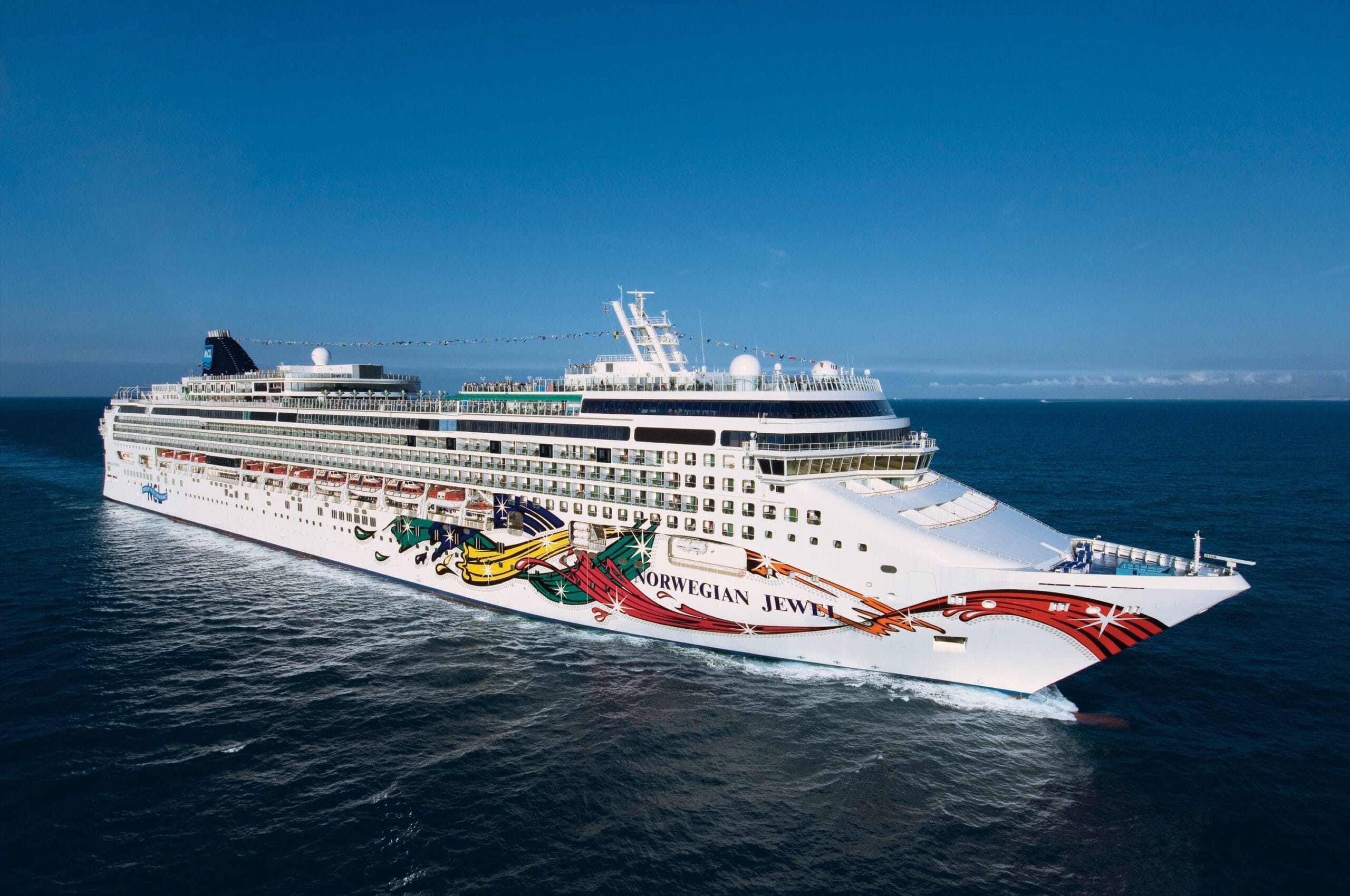
If one wanted to run a large cruise ship on the Great Lakes, it would have to be built there. It could be done, but isn’t currently. We make very large ore carriers that operate entirely on the Great Lakes, so the capacity exists. The other alternative would be to expand one of the canals. IF this were done, there would be a lot more competition and ships, and we could be served by much larger container ships as well. An unfortunate aspect of the small lock size of the Welland and upper St. Lawrence is that currently, only very small container ships can enter or leave the Great Lakes. The result is that cargo prices are much higher than for any of the US coastal ports or the Mississippi. Both the US and Canada would benefit from a larger connection to the sea.
Robert Buxbaum, July 7, 2026

Pingback: Michigan’s only sad container port, Monroe | REB Research Blog